
This prolonged imbalance not only sustains thirst but also prolongs other dehydration symptoms, creating a vicious cycle that requires deliberate rehydration efforts. When you drink alcohol, it inhibits the release of an essential hormone called vasopressin, also known as antidiuretic hormone (ADH). This hormone normally signals your kidneys to conserve water by reducing urine output. With alcohol suppressing ADH, your kidneys don’t get the message to retain water, resulting in more frequent urination and accelerated fluid loss. Alcohol is a widely consumed substance that impacts various bodily functions, but one of its most immediate and noticeable effects is on hydration.
- This means women may experience stronger dehydration symptoms at lower doses compared with men consuming equivalent amounts per kilogram body weight.
- But beyond the type of alcohol you’re imbibing, you might not realize how much dehydration enters into the hangover equation.
- If you alternate alcohol and water as you drink, you slow your intake of alcohol.
Will a cold plunge cure my hangover?
For the men reading this, you might also be interested to learn about alcohol’s effect on testosterone levels. If you’re an athlete or someone who likes to hit the gym to build muscle mass, you drug addiction treatment may want to reconsider your weekly happy hour consumption. Interestingly, studies have shown that people over 50 overcome the suppression of ADH from alcohol more quickly than their younger counterparts. This effect is also known as “breaking the seal,” which is why you pee a lot more after a few drinks. Sodium is an electrolyte mineral found in many foods, and most people obtain adequate amounts from table salt. With a little prep before, during, and after you drink, you can make a huge difference in how you feel.
Why does alcohol cause dehydration?
Replacing electrolytes may also help reduce the intensity of alcohol hangover treatments that people often rely on when dehydration is overlooked. Choosing other fluids, such as diluted fruit juice or broths, can also support hydration needs. Without enough water intake, frequent dehydration from heavy drinking may contribute to long-term health risks, including kidney failure or urinary tract infections. Along with fluid, drinking alcohol can reduce key electrolytes like sodium, potassium, and magnesium. These minerals help regulate blood pressure, support nerve signals, and stabilize body temperature.
Does the volume of alcohol consumed impact dehydration levels?
It can cause cognitive impairments, including memory loss and decreased ability to make sound decisions. Additionally, alcohol can exacerbate underlying mental health issues such as anxiety and depression and may interfere with medications intended to manage these conditions. If you plan on drinking but want to prevent being dehydrated, here are three easy tips to help you out. After a night of drinking, rehydrating is key to bouncing back. This section covers how to replenish your body and when professional help might be necessary. Over time, mass mineral and electrolyte deficiencies can lead to rapid dehydration when alcohol enters the picture.
Type and amount of alcohol consumed:
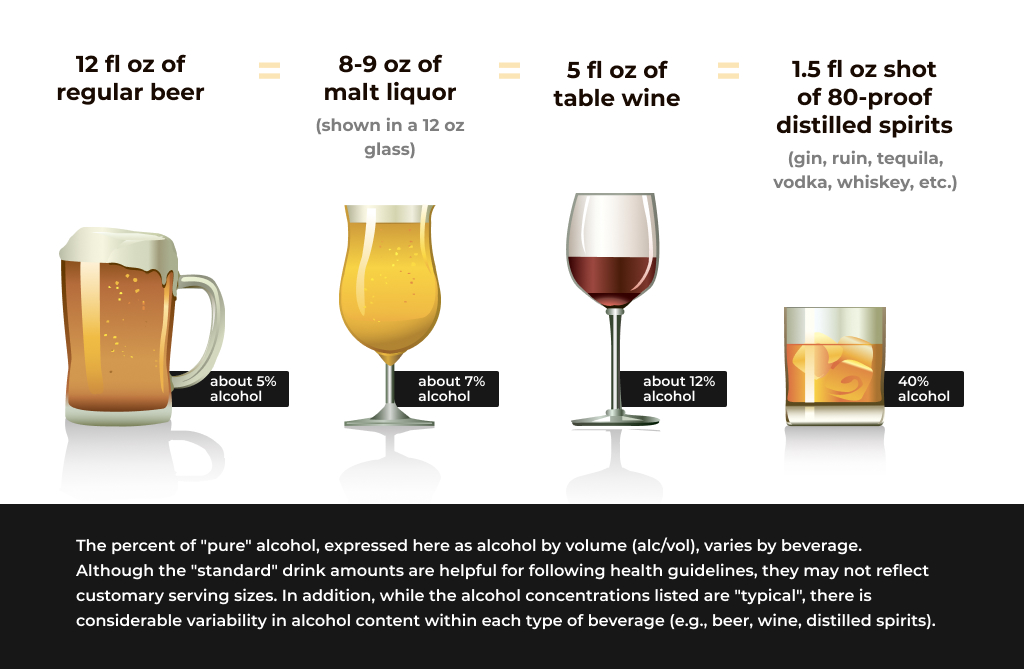
Not all alcoholic beverages are created equal when it comes to dehydration. Drinks why does alcohol make you dehydrated with higher alcohol content, such as hard liquor, tend to dehydrate you faster than those with lower alcohol content, like beer or wine. This is because the higher the concentration of alcohol, the stronger the diuretic effect. Additionally, darker liquors contain more congeners, which are byproducts of the fermentation process and can impact hydration.

The Effects of Alcohol On Your Body From The Minute You Start Drinking
Furthermore, alcohol can act as a vasodilator, causing blood vessels to widen. This dilation can result in increased blood flow to the skin and enhanced perspiration, leading to additional fluid loss and potential dehydration. Water alone isn’t always enough for proper recovery after alcohol-induced dehydration. Electrolytes such as sodium, potassium, magnesium, and calcium play vital roles in maintaining cellular function and fluid balance throughout the body.
No matter what you choose to drink, drinking slowly and savoring your drink is a good way to moderate your total alcohol consumption and minimize alcohol’s dehydrating effects. Is there anything you can do to offset or prevent problems caused by dehydration from drinking alcohol? Repeated episodes of excessive urination caused by chronic alcohol consumption can strain your kidneys over time. Persistent dehydration stresses kidney tissues while electrolyte imbalances interfere with normal cellular functions.
If Alcohol Is Impacting Your Life – Pacific Sands Can Help
A smart move is to stick with drinks that have a lower alcohol concentration, simply because they contain more water to begin https://ecosoberhouse.com/ with. These symptoms are way more than just an inconvenience; they’re your body’s built-in feedback system. Listening to these signals and rehydrating with water and electrolytes is the best way to fight back against the effects and get back on your feet. A shot of high-proof liquor like vodka or whiskey is packed with alcohol and has very little water.
Drinking caffeine – such as coffee – will further dehydrate the body, making the hangover worse. A cold shower may help you feel motivated, but it does not make all hangover symptoms go away. When a hangover is present, the body is technically going through an early stage of withdrawal. Whether you only drank that one night or are in the stages of alcoholism, the brain was adjusting to the alcohol you were drinking. When the alcohol is processed, the brain attempts to restore balance, which can lead to increased anxiety and stress after a night out. Even with sustained high blood alcohol concentration from multiple drinks, the body didn’t continue to lose excess fluid beyond what would happen with water.
- Furthermore, alcohol significantly affects driving abilities, increasing the likelihood of road traffic accidents.
- Still, to improve fatigue, you need to get to the bottom of what’s causing it.
- Your brain’s pituitary gland releases ADH to send a critical message to your kidneys, telling them to hold onto water by reabsorbing it back into your system.
- But some people are more likely to have hangovers than others are.
Increased Risk of Injuries
- Without ADH’s instructions, your kidneys never get the memo to conserve water.
- Recognizing the early signs of dehydration after drinking makes it easier to take simple steps, such as drinking more water, replenishing electrolytes, and choosing nutrient-rich foods.
- Many hangover symptoms are directly tied to dehydration caused by alcohol’s diuretic effect.
Every alcoholic drink has dehydrating ethanol on one side and hydrating water on the other. If you’re sipping something with low alcohol content and a lot of water, like a light beer, the water you’re taking in can help offset some of what you’ll lose. The diuretic effect is still there, for sure, but it’s a lot less aggressive.