
For many professionals, stress and pressure is a common part of the working environment. The mix of poor sleep patterns and alcohol dependency can often blur the line between work and personal life, amplifying the stress. However, quitting alcohol can yield incredible improvements in terms of sleep quality.
- Once you find out which herbs work best for you, they’ll become part of your anti-insomnia (and anti-anxiety) arsenal for years to come.
- It might sound a little too easy, but adjusting your evening light exposure can dramatically improve your sleep quality.
- Inpatient treatment is best for moderate to severe alcohol addictions or people who have relapsed.
- Untreated sleep apnea increases the risk for stroke, heart attack, and other serious problems.
- Even one drink can disrupt your sleep cycle, which means you might notice that you feel more deeply rested as soon as the first night of your break from alcohol.
Weeks Without Alcohol: The Key to More Energy, Better Sleep and Radiant Skin
Overall, it’s crucial to refrain from drinking alcohol right before bed so you how to sleep without alcohol can wake up feeling rested and ready to take on the day. We all react differently to alcohol, though, so some people may need even more time than this. Research shows alcohol can impact your sleep even if you stop drinking six hours before bed. Caffeine and nicotine are stimulants that can interfere with your ability to fall asleep.

A Quiet Environment
The effects of being well-hydrated will continue to build, having more positive results as you continue sobriety. Aim for activities that promote relaxation and avoid stimulation. Consider incorporating a warm bath or shower, the rise in body temperature followed by a gradual cool down mimics the natural temperature shift that occurs during sleep onset. Reading a physical book, not a screen, allows your mind to disconnect from the digital world and engage in a calming, focused activity. Gentle stretching or yoga can Alcoholics Anonymous ease muscle tension accumulated throughout the day, further promoting physical relaxation. Specifically, alcohol consumption has been found to alter the normal sleep cycle by reducing REM sleep and increasing the likelihood of multiple awakenings throughout the night.
- Let’s look at the two main ways alcohol gets in the way of quality sleep.
- Dealing with the temporary discomfort of insomnia can turn your health around in the long term, and ultimately, it can lead you to a more rested and healthier life.
- Up to 40% of the general population experiences insomnia, while as many as 72% of people with an alcohol use disorder may have the condition.
How Does Alcohol Impact Sleep?
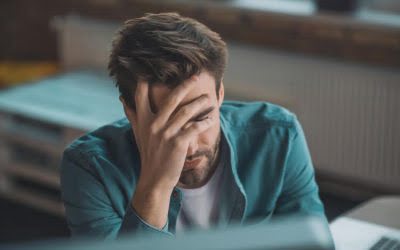
If you decide to explore these options, start with a low dose and see how you feel. As with any supplement, checking in with a healthcare professional first is a smart move, and you can find more answers to common https://ecosoberhouse.com/ questions in our FAQ. One of the best things you can do for your sleep is to establish a consistent schedule.
While those nights can feel unpleasant, they are short-lived, and within just a few weeks, you’ll begin to reap the reward of deeper, lasting, high-quality sleep. Engaging in regular exercise can have a positive impact on your sleep. Physical activity helps to reduce stress and tire your body, making it easier to fall asleep at night. However, it’s important to time your workouts appropriately. Exercising too close to bedtime can actually have a stimulating effect, making it harder to fall asleep. Aim to finish your workout at least two to three hours before bedtime to allow your body to wind down.